
-
Vaporisers
-
Parts & Accessories
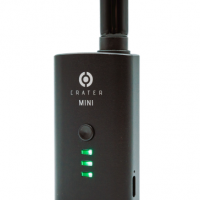 CRATER MINI V2
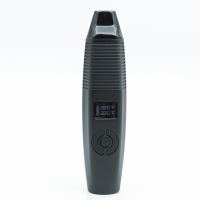 Crater Deluxe Neo V2 - 2025
 Crater 420 - Manufacturer Refurbished
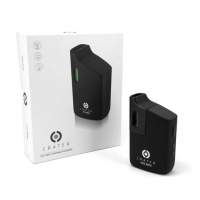 CRATER 420 MINI Refurbished

UK SHIPPING ONLY, WITH FREE DELIVERY ON ALL ORDERS.
Exploring the Art of Herb Vaporization: Temperatures, Benefits, and Key Insights
Vaporizing herbs has become a popular alternative for individuals seeking a clean, flavorful, and efficient way to experience the benefits of botanicals. Unlike combustion, vaporization heats herbs to a specific temperature, releasing active compounds without producing harmful byproducts such as tar or smoke. This method ensures a smoother and more enjoyable experience, preserving the herb's natural flavors and effects.
Why Vaporize Herbs?
- Healthier Alternative: Vaporization avoids burning herbs, reducing the intake of carcinogens and toxins.
- Enhanced Flavor: The absence of combustion highlights the natural aromas and flavors of herbs.
- Efficiency: Vaporization optimizes the release of active compounds, making herbs last longer.
Popular Herbs for Vaporization and Their Optimal Temperatures
Each herb has unique compounds that vaporize at specific temperatures. Knowing these temperatures ensures you get the most out of your herbs without degrading their quality.
| Herb | Optimal Temperature Range (°C) | Benefits |
|---|---|---|
| Chamomile | 100–150 | Relaxation, stress relief, and mild sedative effects. |
| Lavender | 125–160 | Promotes calmness, aids sleep, and soothes headaches. |
| Green Tea | 175–185 | Boosts energy and provides antioxidants. |
| Mint | 160–175 | Refreshing and helps with digestion and respiratory issues. |
| Basil | 130–150 | Antioxidant properties and supports mental clarity. |
| Eucalyptus | 130–160 | Clears airways and provides a cooling sensation. |
| Rosemary | 150–160 | Enhances focus and reduces mental fatigue. |
| Lemon Balm | 140–155 | Eases anxiety and promotes relaxation. |
| Thyme | 150–175 | Antimicrobial properties and supports respiratory health. |
| Sage | 175–190 | Improves memory and offers antimicrobial benefits. |
How to Vaporize Herbs
- Choose Your Vaporizer: Ensure you have a device with adjustable temperature settings, like the CRATER MINI, which offers precision control.
- Prepare the Herbs: Grind the herbs to an even consistency for better vaporization.
- Set the Temperature: Use the guide above to choose the appropriate setting for your herb.
- Enjoy Responsibly: Take slow, steady draws to experience the full flavor and benefits.
Tips for a Great Vaporizing Experience
- Keep It Clean: Regularly clean the vaporizer, especially the chamber and mouthpiece, to maintain flavor and hygiene.
- Experiment with Blends: Combine complementary herbs to create unique aromas and effects.
- Store Herbs Properly: Keep herbs in a cool, dry place to preserve their potency and flavor.
Conclusion
Vaporizing herbs is an excellent way to enjoy their natural benefits while minimizing the risks associated with traditional combustion methods. Whether you're looking for relaxation, focus, or respiratory support, there's a herb and temperature tailored for you. With a reliable vaporizer and the right preparation, you can unlock the full potential of your favorite botanicals.
